Use Cases
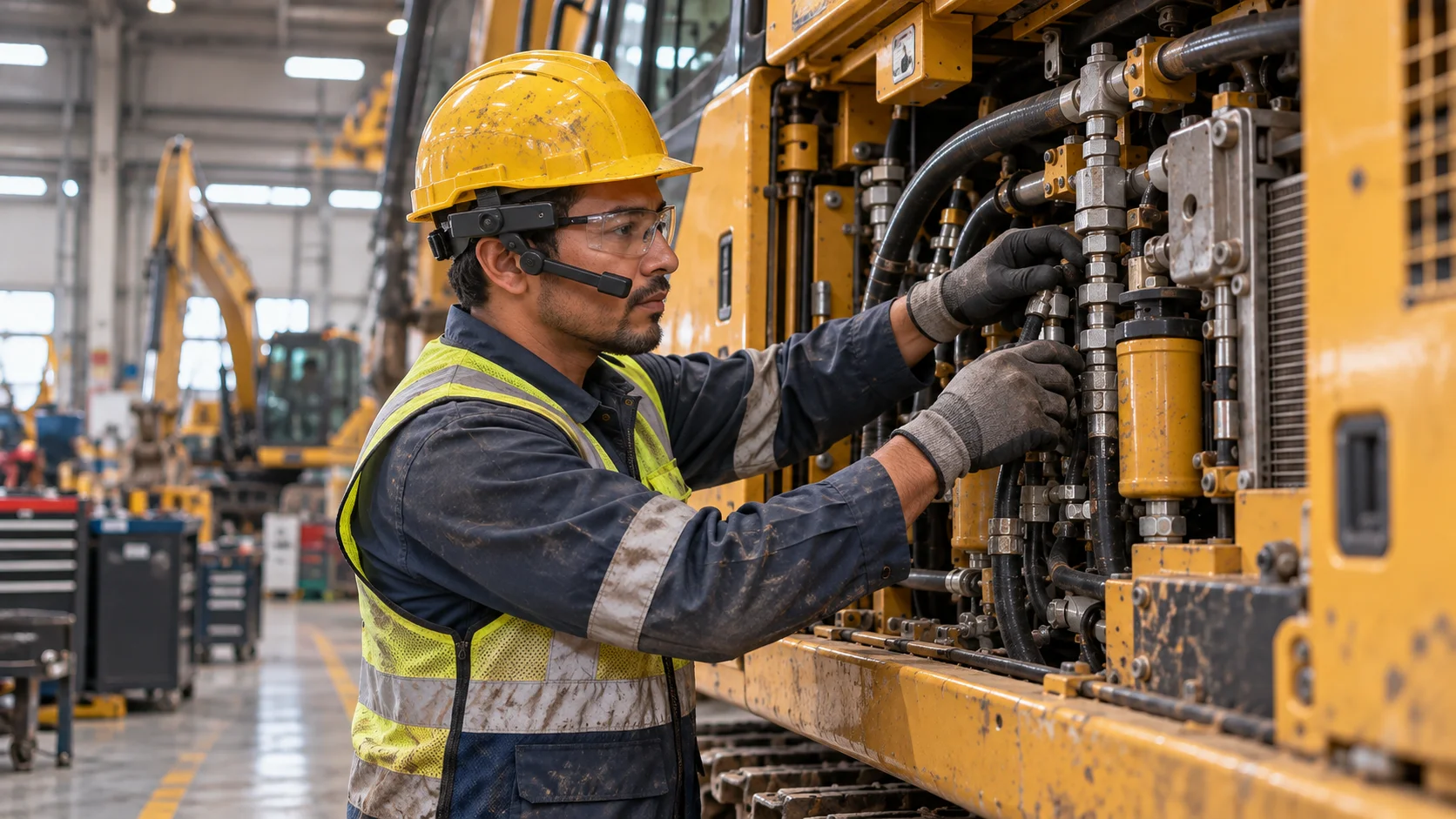
Hands-free AI guidance for critical equipment work
Explore how Strivr gives teams trusted, hands-free guidance to maintain, repair, inspect, and install critical equipment faster and with fewer errors.


Identify the Use Case
The strongest use cases involve critical equipment, hands-on work, limited access to expertise, and costly consequences when work slows down or goes wrong.

Work depends on equipment staying available, and downtime quickly affects schedules, productivity, and cost.

Technicians need information while working, without putting down their tools or stepping away from the equipment.

Answers are spread across manuals, service history, company procedures, and a small number of experienced technicians.

Delays, missed steps, or incorrect work can lead to repeat repairs, safety risks, compliance gaps, or project disruption.
Use Case Framework


Can downtime, incorrect work, or a missed step affect safety, schedules, productivity, or cost?

Does the technician need to keep both hands and eyes on the equipment while working?

Can a missed, incorrect, or out-of-sequence step lead to repeat work, delays, or equipment damage?

Does the work require technicians to consistently follow approved procedures, safety checks, or regulatory requirements?

Does success depend on manuals, maintenance history, company procedures, or an experienced technician’s know-how?
Start with maintenance and repair, then extend trusted, hands-free guidance to inspections, quality control, installation, and setup.


See how Frontline Intelligence can help your teams maintain critical equipment and reduce downtime.