Post-Repair Equipment Inspection: What to Check Before Return to Service
5
min read


When a critical machine goes down, the knowledge needed to solve the problem may already exist somewhere in the organization. It could be documented in a manual, captured in a company procedure, stored in a previous service record, or held by an experienced technician working at another location.
For heavy civil and infrastructure contractors, accessing that knowledge becomes harder as equipment, technicians, and maintenance operations spread across shops, projects, and regions. A senior technician who knows a particular machine inside and out may be supporting another crew miles away, while the technician beside the machine still needs to diagnose the problem and determine the next appropriate action.
Pressure on technician availability extends across the equipment industry. In its 2026 technician-shortage findings, the AED Foundation reports that 80% of equipment dealers are unable to meet customer demand because of a lack of qualified technicians.
Staffing is only part of the challenge. Even when the expertise exists within the organization, finding the right documentation, reaching another technician, or waiting for support can slow the repair while critical equipment remains unavailable. Across distributed operations, access to expertise can become a bottleneck even when the knowledge itself already exists.
Equipment maintenance knowledge typically comes from four sources:
This information is already becoming easier to access digitally. Caterpillar’s SIS2GO app, for example, gives equipment owners access to Cat-authored parts information, operation and maintenance manuals, troubleshooting guides, repair procedures, schematics, and other service information.
OEM tools can make manufacturer-authored information easier to reach. A technician may still need to connect that information with company procedures, service history, or internal expertise before deciding what to do next.
The challenge comes when technicians have to piece those sources together while a machine is down. They may understand the repair but need to confirm a specification, locate the right procedure, or review the history of a recurring issue before moving forward.
As fleets, locations, procedures, and teams grow, relying on individual memory and disconnected sources becomes harder to scale. The opportunity is to make trusted maintenance knowledge easier to access and apply while the work is happening.
Experienced technicians work from a combination of judgment, technical documentation, service history, specifications, and previous experience. Even someone who knows a machine well may need to confirm an updated procedure, check an equipment-specific requirement, or understand what happened during the asset’s previous repair.
Easier access to trusted information supports that expertise by reducing time spent locating answers and helping technicians stay focused on the equipment in front of them.
It can also make escalation more effective. When a problem requires deeper expertise, the technician can reach the right person with more context about the machine, what has already been checked, and where the workflow has stalled.
For distributed maintenance organizations, extending expertise means helping more technicians benefit from what the organization already knows while preserving clear paths to the people whose judgment is still required.
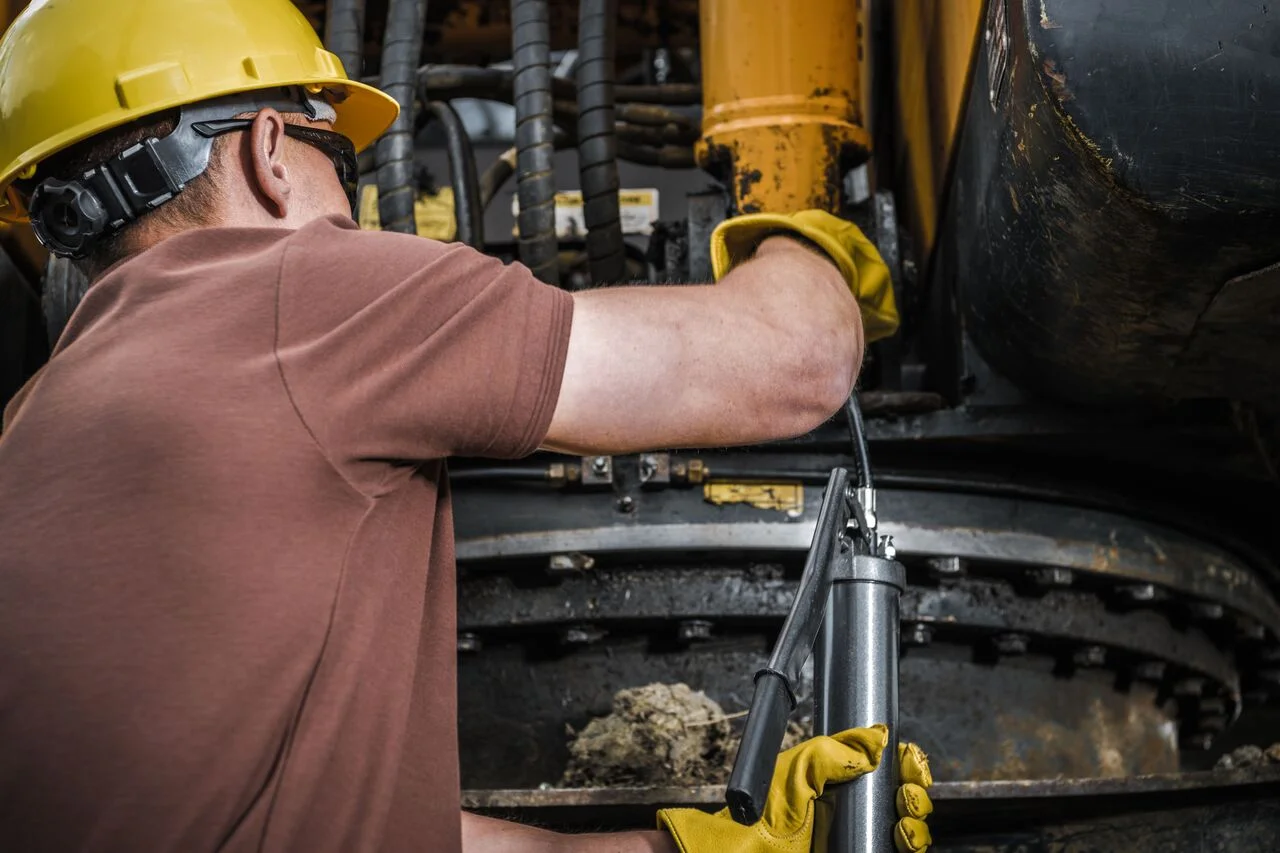
Equipment maintenance is physical work. Technicians may be inspecting components, using tools, moving around equipment, or working in environments where repeatedly stepping away to search a laptop or navigate a mobile device interrupts the task.
Consider a technician troubleshooting a fault code. They may need to locate the applicable test procedure, confirm a specification, or verify the correct replacement part before moving forward. Each question can interrupt the repair if the technician has to stop, search another system, or call someone for help.
Smart glasses create a hands-free interface for frontline AI, allowing technicians to access information through voice and audio while remaining focused on the machine.
For equipment maintenance today, Strivr can give technicians hands-free access to approved equipment and company knowledge through supported smart glasses. A technician can ask for information during diagnosis or repair and receive guidance grounded in trusted maintenance knowledge, including equipment documentation, company procedures, maintenance information, and expert know-how.
Useful guidance depends on context: the equipment involved, the approved procedure, what has already been checked, and when deeper expertise should be brought into the workflow. Hands-free access can reduce the time technicians spend searching for information while preserving established escalation paths and human judgment.
Trusted guidance is the starting point. Over time, richer visual and workflow context can support more proactive assistance, help technicians follow complex procedures, and create greater visibility into how critical maintenance work is completed.
Equipment maintenance expertise creates the most value when technicians can use it while the machine is still in front of them.
When knowledge is spread across manuals, systems, service records, and people, technicians may spend valuable time figuring out where the answer lives before they can apply it. Across distributed fleets and jobsites, the delay can grow every time a problem requires another search, another call, or another escalation.
Bringing trusted maintenance knowledge closer to the technician can shorten the path from question to action. For equipment-intensive operations, that can support faster diagnosis, faster repair, and less time with critical machines sitting idle.
Frontline Intelligence gives organizations a way to make the knowledge they already have more usable during the work, while preserving the expertise and judgment of the people responsible for maintaining the equipment.
Contact Strivr to explore how hands-free guidance could help your maintenance teams diagnose issues, complete repairs, and return equipment to service faster.




Receive a free VR headset and experience the Strivr platform for yourself.


